Foundational Elements in Planning an Impactful Commercial Sound Management Network
Wiki Article
Designing an efficient professional audio broadcast system is essential for any business that depends on sound to improve the client experience. This system enables organizations to deliver music, announcements, and other audio content to multiple areas within a facility. Fundamental elements in developing a effective audio distribution system include an awareness of sound quality, appropriate equipment selection, well-planned layout planning, and ongoing maintenance practices. These elements work together to maintain that the audio system meets the specific needs of the space and the audience.
Sound quality is one of the most essential factors of an audio network system. High-quality sound optimizes the listening experience for customers and can create a positive atmosphere. Aspects such as speaker configurations, power amplifiers, and sound dynamics all influence in achieving crisp and consistent sound. Companies should focus on implementing professional-grade speakers that are well-suited for their space. For example, open venues might benefit from all-weather speakers, while indoor areas may benefit from surround sound systems. Ensuring that all components are well-matched and seamlessly connected is vital for maximum performance.
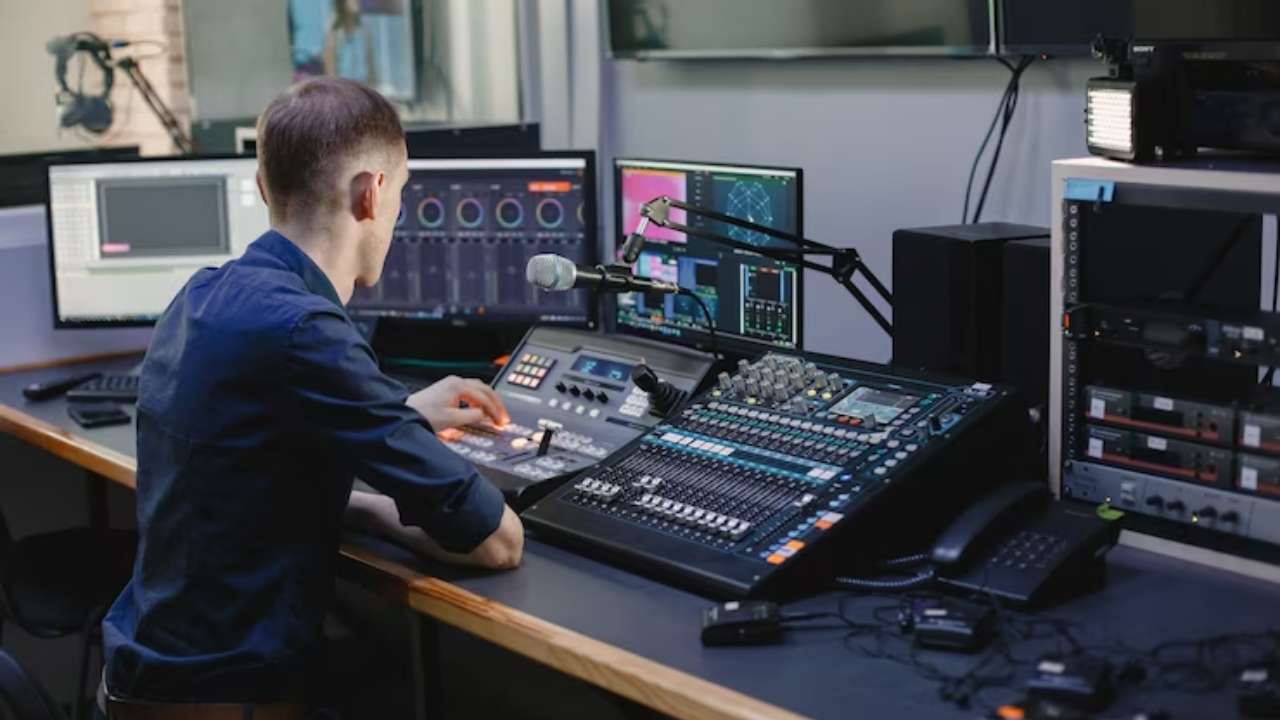
The choice of audio devices takes a crucial part in the capability of the look at here delivery. This covers identifying the right audio mixers, amplifiers, and playback units. Companies should determine their specific audio demands before completing purchases. For instance, a boutique might need different tools than a dining venue or business center. Additionally, incorporating smart technology can improve usability. Audio setups that offer off-site management or pairing with mobile devices can deliver efficiency in adjusting audio media and listening zones throughout various locations.
Planning the arrangement of the click to read audio sound system is another key factor. A well-thought-out plan provides that sound is evenly spread across all locations without any quiet zones or echo in certain sections. This includes careful installation of speakers and understanding of how sound moves in each setting. Factors such as room size, form, and decor can alter acoustics. Carrying out an room analysis can help determine the most effective placements for speakers to achieve superior sound performance throughout the environment.
Finally, consistent inspection is necessary to preserve an audio sound system operating seamlessly. Proper servicing entails ongoing reviews on equipment performance, correcting any malfunctions promptly, and updating firmware when needed. Instructing personnel on how to control the system safely can also prevent common problems and extend the longevity of the devices. By focusing on system checks, facilities can preserve consistent audio quality and reduce downtime that could diminish the audience perception.
Overall, building an high-quality corporate audio communication system entails comprehensive assessment of listening experience, equipment selection, layout planning, and ongoing maintenance. When these elements are addressed with care, companies can elevate their environment with superior audio experiences for their visitors. Committing to a efficiently structured audio system not only optimizes communication but also contributes to a positive setting that can elevate audience retention.